Eichholtz.KZ
A custom e-commerce website for a premium Italian furniture catalog with 5,000+ product positions, rich product parameters, imported catalog data, responsive storefront templates, and a highly customized shopping experience built on top of a site template engine
Case study by Basil Artemov — Product Designer & Frontend Developer — information architecture, custom templates, catalog import, product filtering, responsive UI, and launch support
Client
Eichholtz
Period
2026
Platforms
Responsive e-commerce website on a template-based CMS
Role
Product Designer & Frontend Developer
information architecture, custom templates, catalog import, product filtering, responsive UI, and launch support
Work stages
catalog positions imported and structured
custom template system extended for premium e-commerce
product parameters normalized for filtering and search
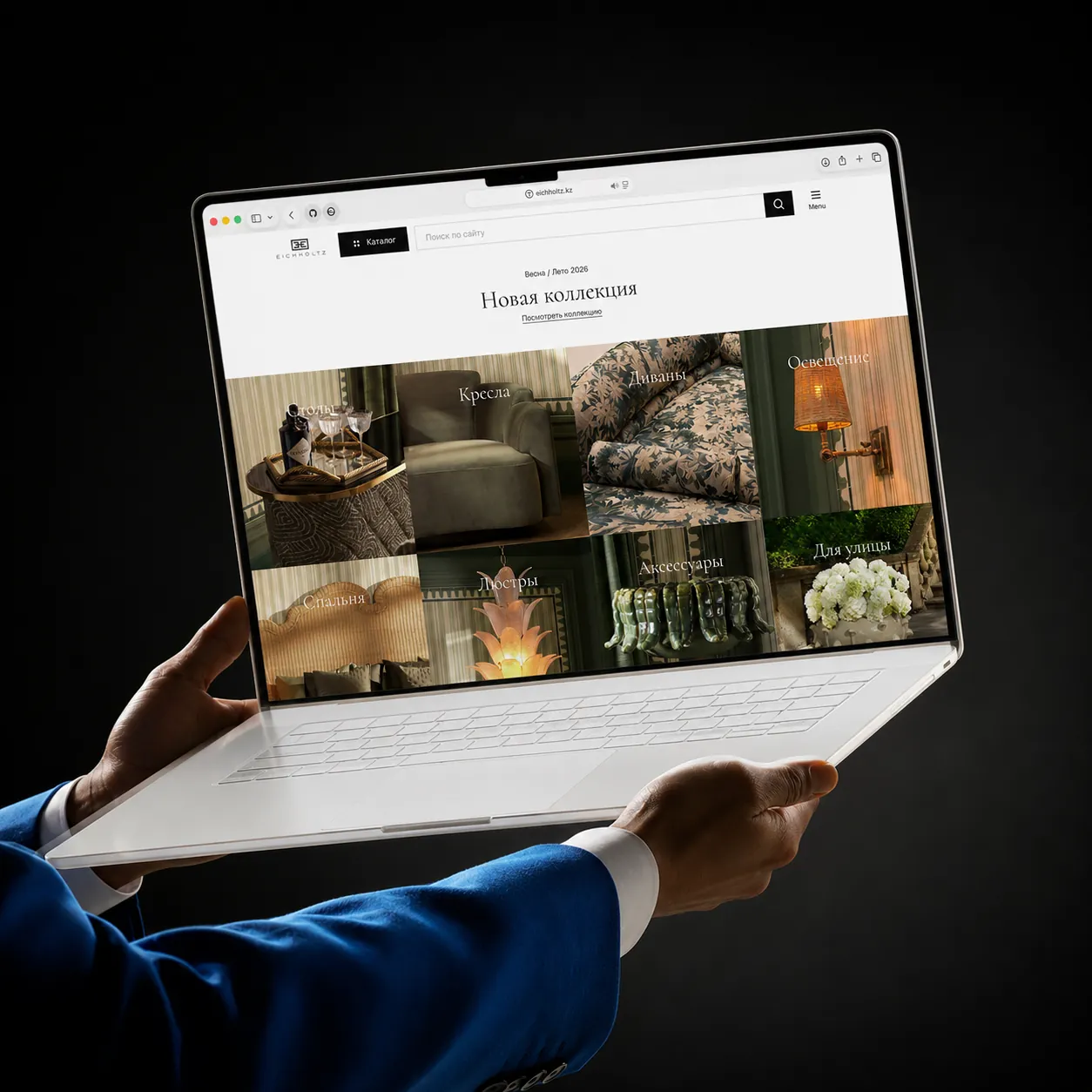
Interface gallery
 tap: zoom
Overview
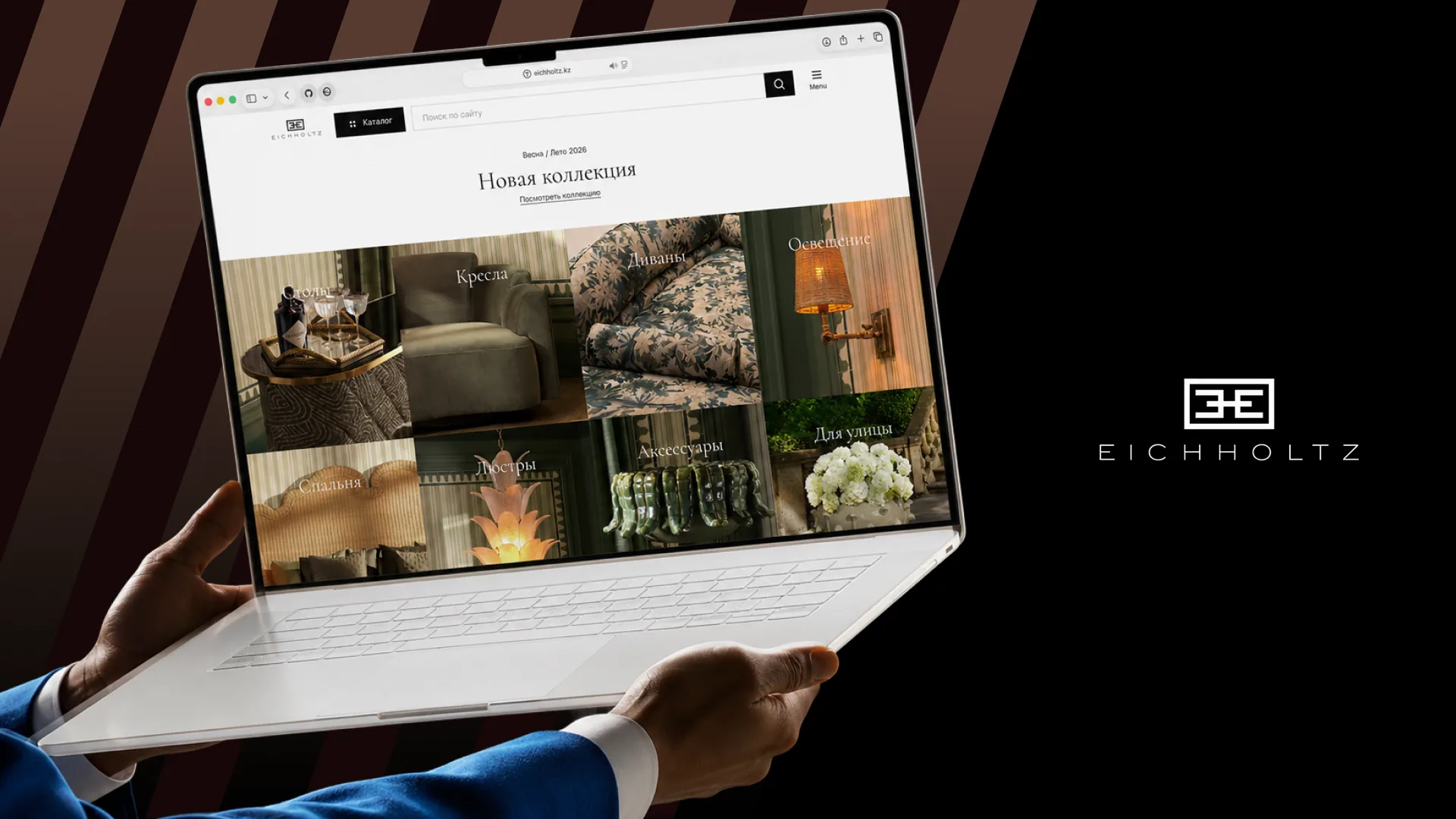
Eichholtz is a premium furniture e-commerce project built on a template-based website platform, but pushed far beyond default template behavior. The work covered storefront structure, custom page templates, catalog navigation, product cards, mobile adaptation, and the development work needed to make the store feel bespoke rather than generic
The central challenge was the catalog: 5,000+ imported furniture positions with many parameters, categories, availability states, product images, and descriptive fields. The site needed to absorb that volume without turning into a slow, messy list of products
 tap: zoom
Business Context
Premium furniture e-commerce has two opposing demands. It needs editorial atmosphere, because the customer is buying taste, materials, and interior mood. It also needs strong catalog utility, because a serious furniture catalog quickly becomes unusable without search, categories, filters, and consistent product data
The client needed a storefront that could look like a premium brand experience while still handling operational realities: a large imported catalog, many product attributes, regular updates, category depth, and responsive browsing across desktop and mobile
Design Process
The process combined design and development because the key decisions were not only visual. Template constraints, catalog fields, import structure, page components, search behavior, and product-card logic all had to be solved together
I treated the template engine as a base layer, then customized the visual system, storefront hierarchy, category entry points, catalog pages, product surfaces, and commerce states around the real furniture data instead of forcing the catalog into default blocks
- Template system audit and customization plan
- Catalog data mapping for 5,000+ products
- Category, filter, product-card, and detail-page logic
- Responsive storefront polish for desktop and mobile
Catalog Architecture
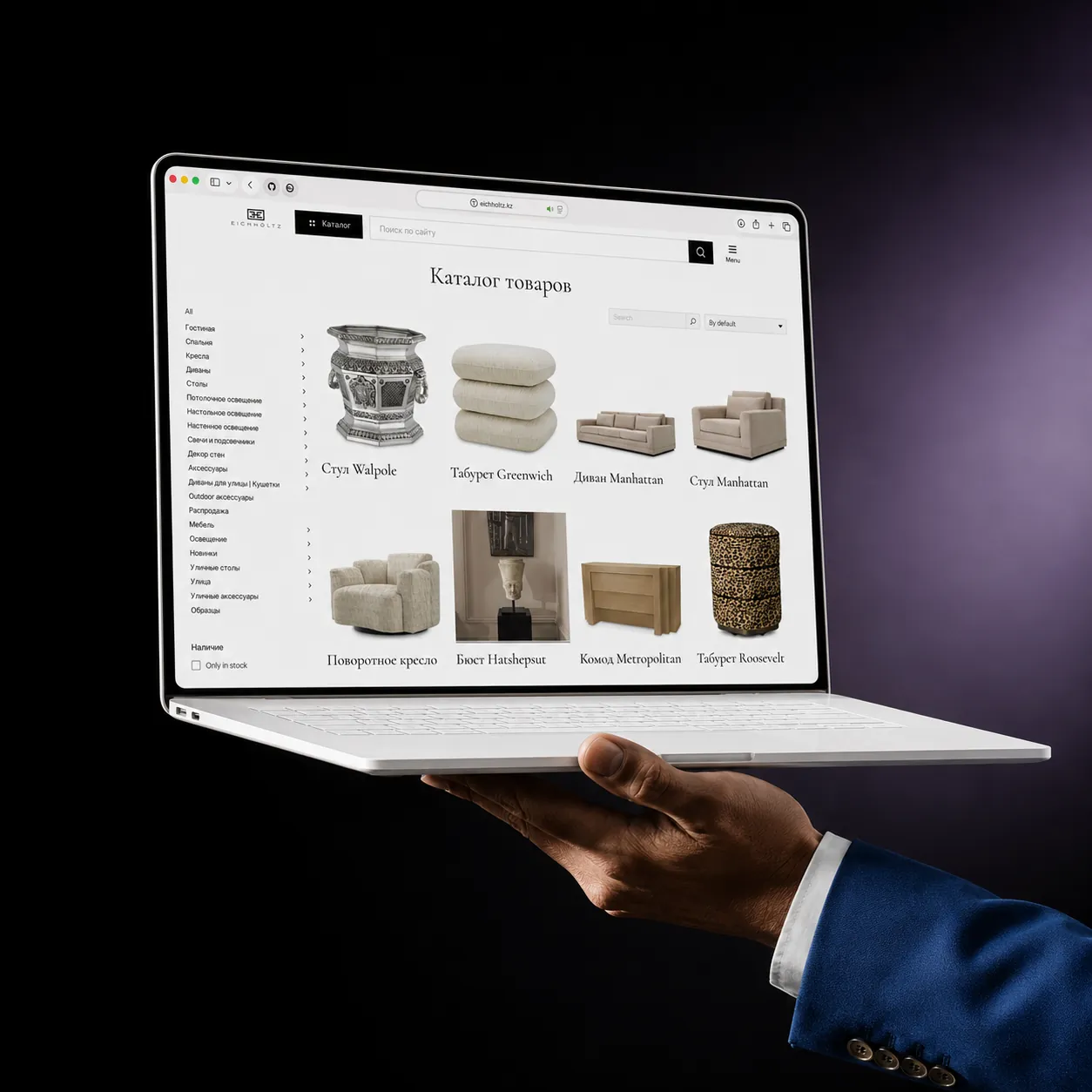
The catalog had to support multiple levels of furniture taxonomy: rooms, categories, collections, product types, availability, and commercial states. That structure shaped the navigation, the catalog sidebar, product listing density, and the way filters were introduced
A lot of the value came from making the catalog predictable. Customers should be able to move from inspiration to a precise product list without losing the premium feeling of the brand
- Room and product-category entry points
- Large-list browsing without visual overload
- Search and sorting surfaces for commercial use
- Product cards that preserve furniture imagery and key data
 tap: zoom
Catalog Import
The product catalog was imported and processed before it became usable on the storefront. Product names, categories, images, availability, descriptions, and many technical parameters had to be normalized so the website could search, filter, and render the catalog consistently
This part of the work was closer to product operations than pure layout. The interface only looks clean when the underlying data is clean enough to behave predictably across thousands of items
- Import and cleanup for 5,000+ positions
- Parameter normalization for filtering and product pages
- Consistent product-card output from uneven source data
- Catalog structure prepared for future updates
 tap: zoom
Mobile Commerce
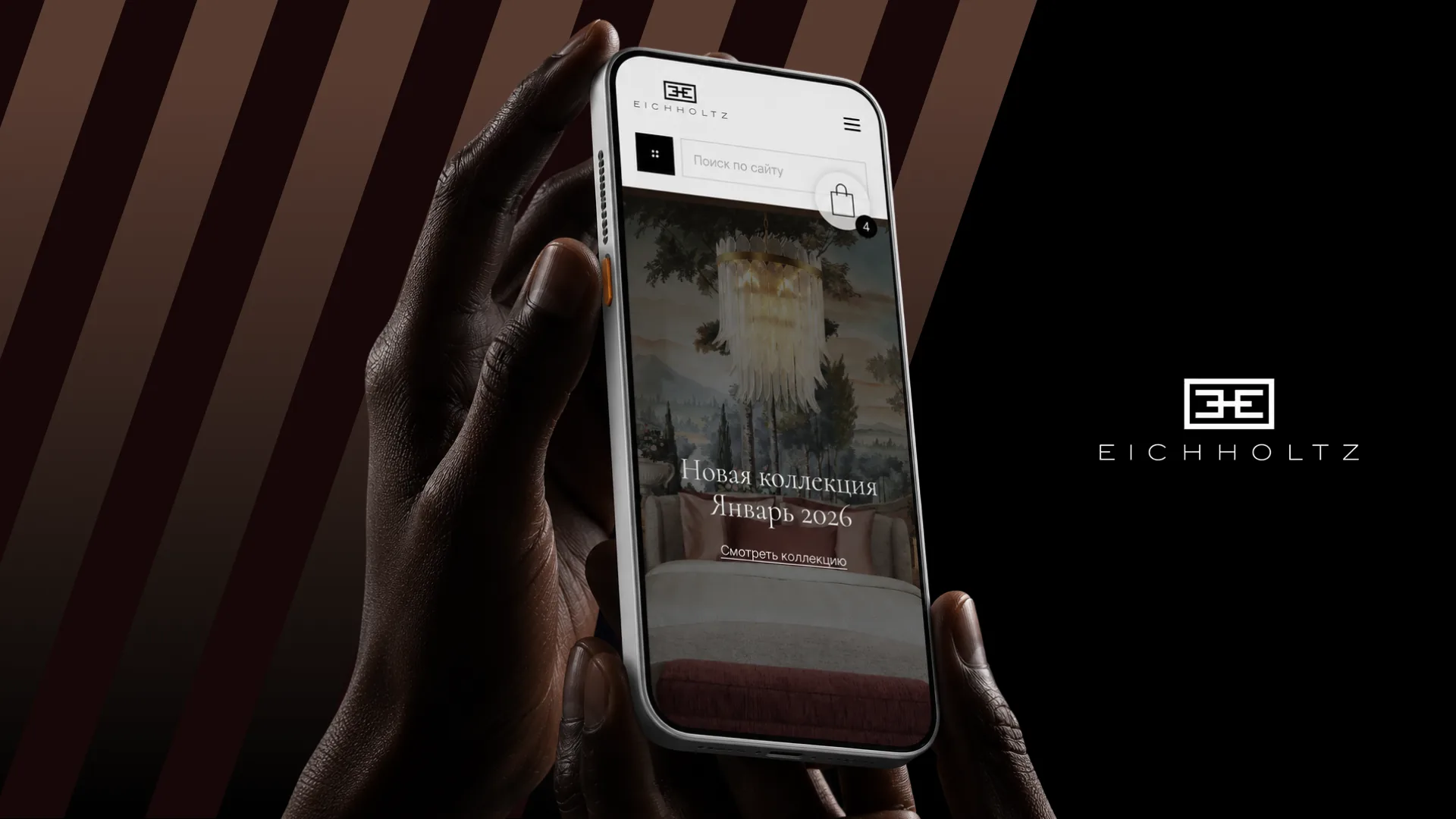
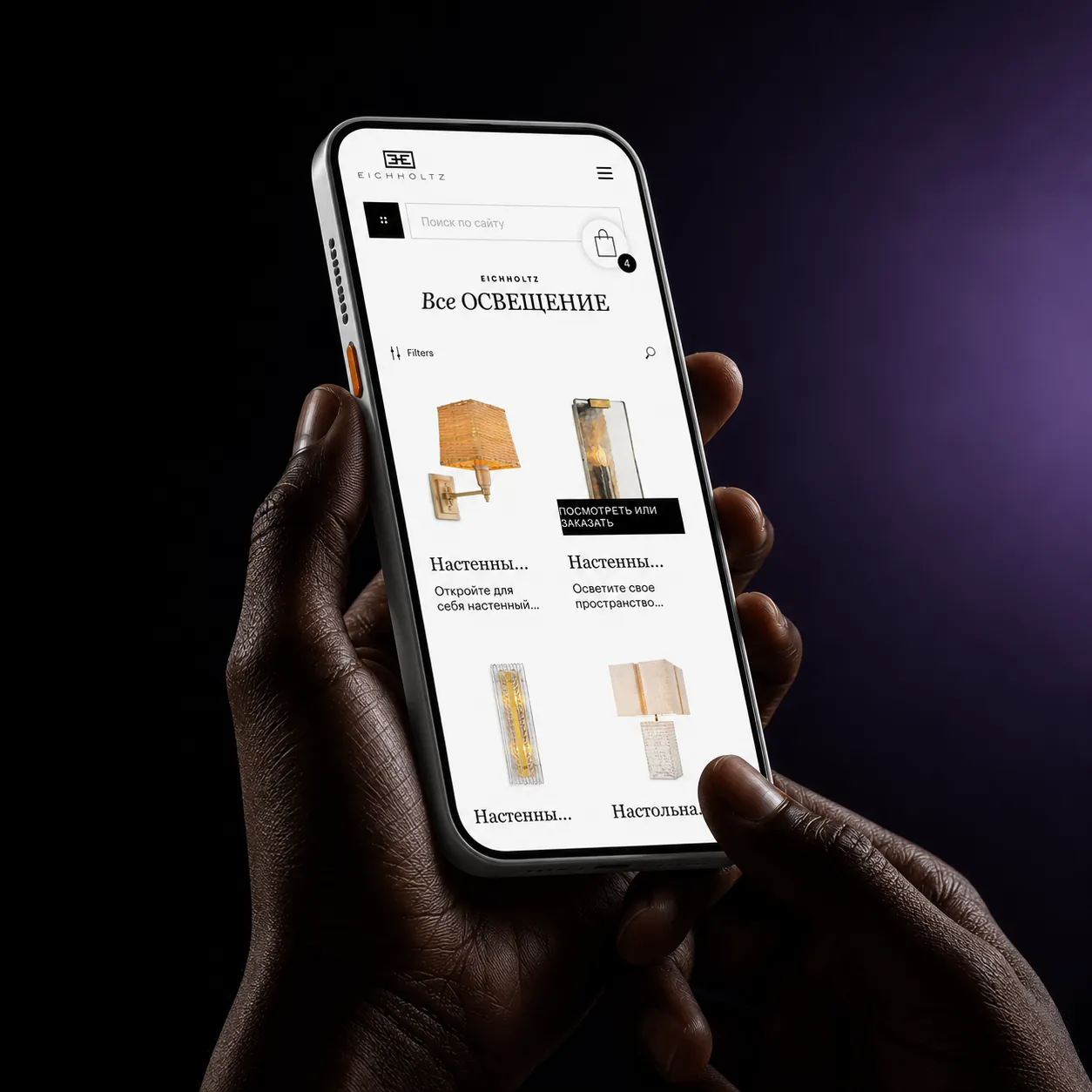
The mobile version could not be a compressed copy of the desktop catalog. Search, catalog entry, cart access, filters, and product browsing had to stay close and readable while product imagery remained large enough to sell furniture properly
The result keeps the premium visual tone, but behaves like a practical shopping tool: quick category access, visible cart state, compact controls, and product lists that can be scanned without losing the decorative quality of the catalog
 tap: zoom
Development & Delivery
The project required hands-on implementation inside the site template system, not just static design files. Custom page sections, catalog templates, responsive behavior, data-driven product output, and storefront details were adjusted until the site behaved like a tailored e-commerce product
Because the catalog is large and parameter-heavy, delivery also meant making the system maintainable: the store needed to keep working as new furniture positions, images, categories, and attributes were added later
Outcome
The finished work turned a template-based website into a customized premium furniture storefront with a structured 5,000+ item catalog, imported product data, category navigation, responsive product discovery, and commerce-ready interface states
The case shows the mix that mattered for this project: product design, front-end customization, catalog operations, responsive e-commerce UX, and practical development decisions that let a large furniture catalog feel curated instead of heavy